Electric vehicles (EVs) are no longer a thing of the future — they’re here, and they’re rapidly changing the way we think about transportation. One of the biggest questions new EV owners have is, “How do I charge my car?” Whether you’re considering buying your first EV or simply curious about the technology, understanding EV charging is the key to making the most out of electric driving.
What is EV Charging?
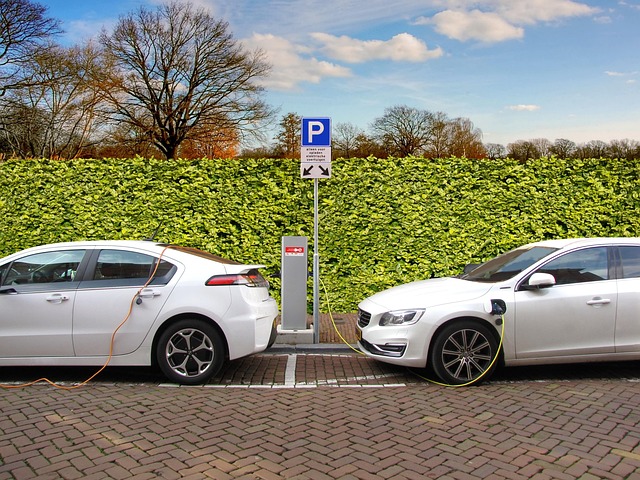
EV charging is the process of replenishing your electric vehicle’s battery with electricity. Instead of filling up at a petrol pump, EV owners plug into a charging station — either at home, at work, or at public locations — to power their vehicles.
Types of EV Charging
There are three main charging levels, each offering different speeds and use cases.
1. Level 1 Charging
-
Source: Standard household outlet (120V)
-
Speed: ~5–8 km of range per hour
-
Best For: Overnight home charging for short daily commutes
-
Pros: No special equipment needed
-
Cons: Slowest charging option
2. Level 2 Charging
-
Source: 240V outlet (similar to home appliances like ovens or dryers)
-
Speed: ~25–40 km of range per hour
-
Best For: Home, workplace, and public charging stations
-
Pros: Faster charging, widely available
-
Cons: Requires installation of a dedicated charger at home
3. DC Fast Charging
-
Source: High-voltage direct current
-
Speed: 80% charge in 20–40 minutes (depending on the vehicle)
-
Best For: Long-distance travel and quick top-ups
-
Pros: Ultra-fast charging
-
Cons: More expensive and not suitable for everyday home use